Small music, made carefully, for one listener at a time.
Journal
How “Dreamscape” started
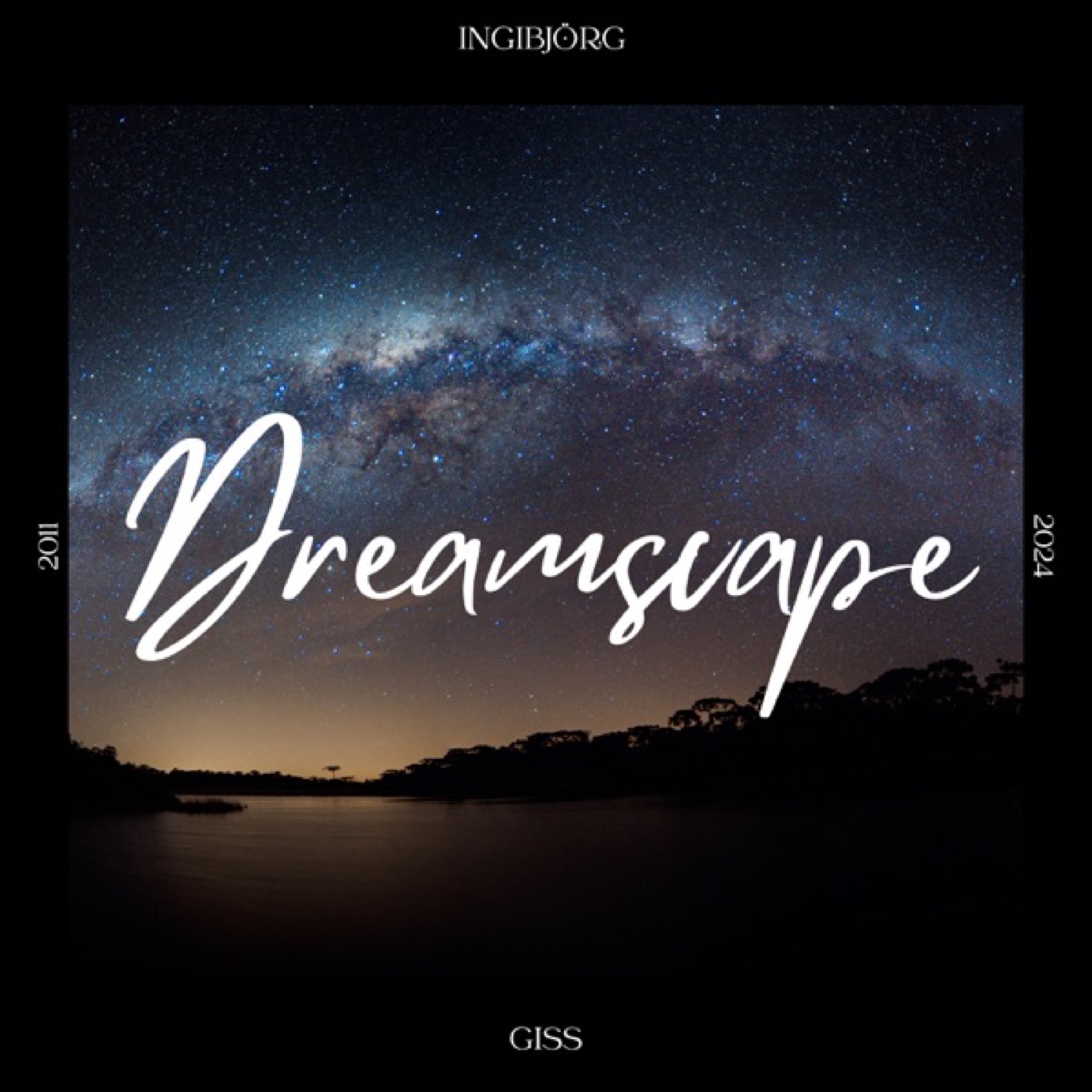
“Dreamscape” started the way these do — “dreamscape” as a phrase before it was a record, at an odd hour.
Between the notes I left in as much glacial light as I could.
That is all it wants to be.
May it find you at the right hour.
Thinking about Iceland
I don't choose Iceland; it keeps choosing me.
It is nordic ambient, so nothing hurries — the electric piano is allowed to just sit in the room.
That is all it wants to be.
How it gets made
No secret to how this gets made: one electric piano, two microphones, a room, and a lot of erasing.
Most of a session ends up deleted. What survives is the piece.
Reference points, since people ask: Erik Satie, Claude Debussy, Ludovico's quiet school.
On being unseen
I make music about Iceland and stillness, and I mean every note — but I won't pretend it's free.
Choosing quiet can look, from outside, like disappearing. Some days the calm I write about is the calm I most need myself.
If you make gentle music and feel overlooked, you are not doing it wrong. That is just the shape of it.
The making of “Icelandic Summer”
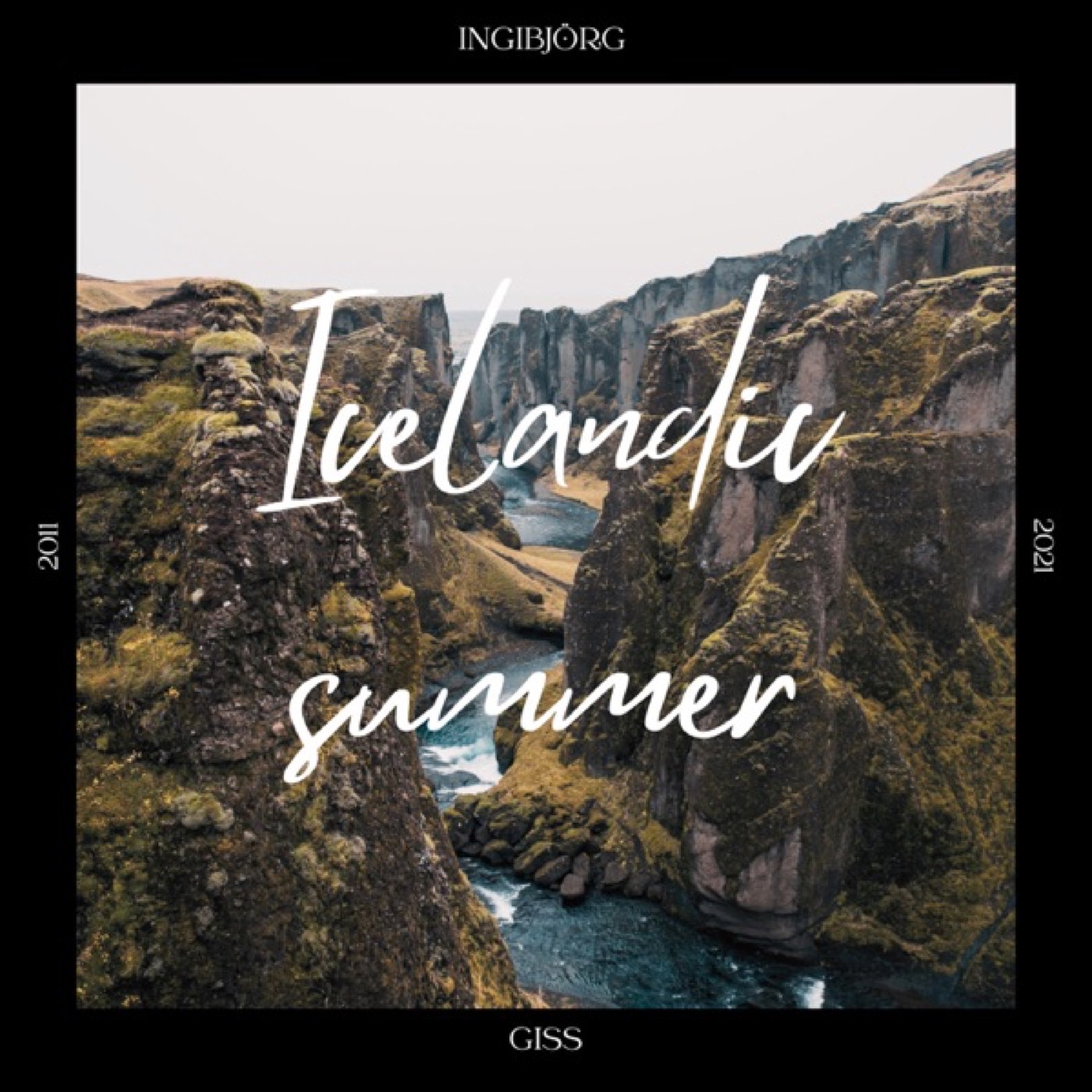
Everything on “Icelandic Summer” grows out of one thing: the sound of Iceland when no one is listening.
Between the notes I left in as much glacial light as I could.
If it slowed you down for forty minutes, it did its job.
May it find you at the right hour.
Where “Keflavik Nights” came from
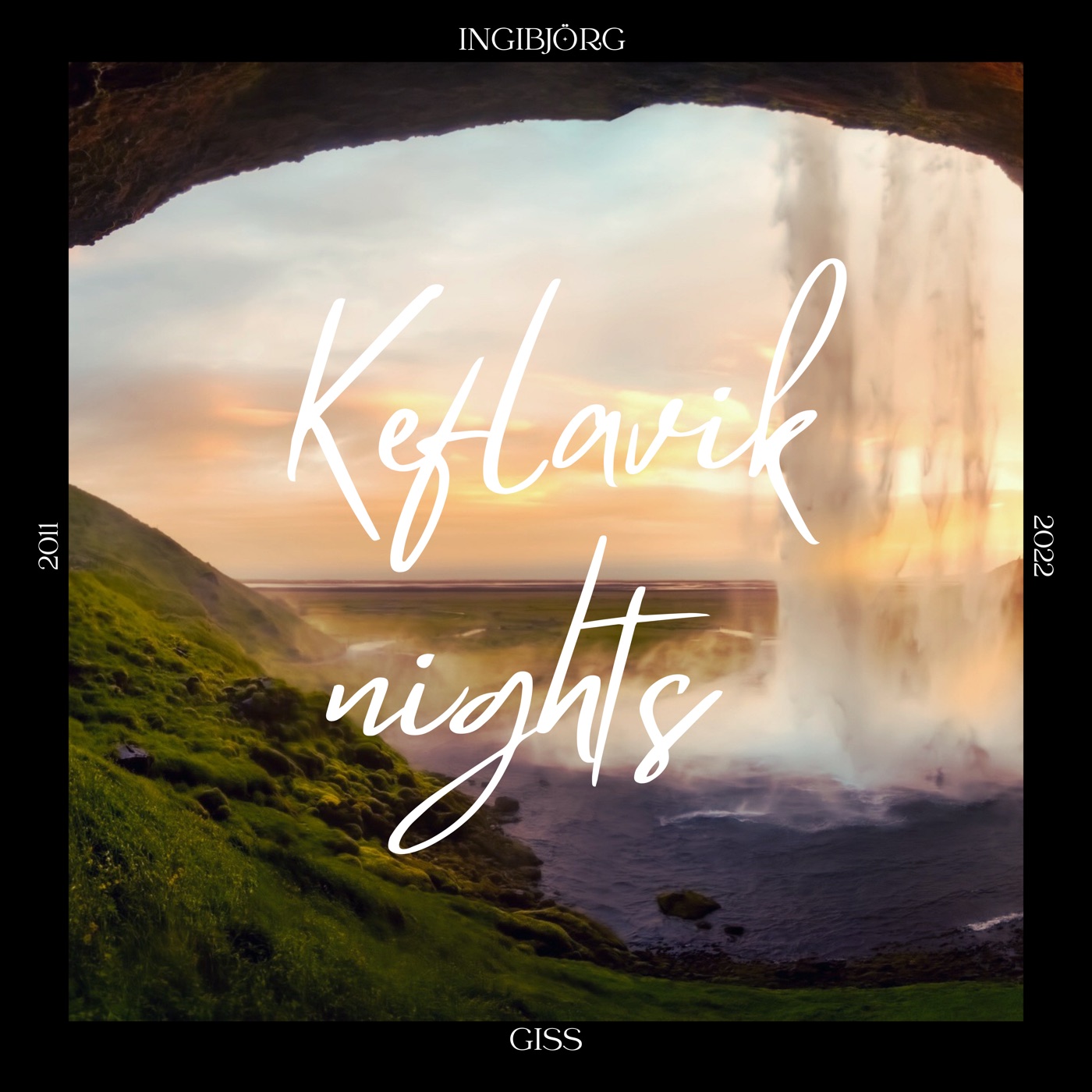
The first sketch for “Keflavik Nights” was almost nothing: the sound of Iceland when no one is listening, held too long.
The electric piano found the shape before I did; I stayed out of the way.
It isn't a message — it's company for a particular hour.
Live
Performs rarely and only in intimate rooms across Iceland — small halls, back rooms, someone's front parlour. Nothing large, nothing ticketed widely. For house-concert enquiries, write.
In the lineage of Erik Satie · Claude Debussy · Ludovico's quiet school · Federico Mompou · Harold Budd
An electric piano dialled to glass and glacier rather than warmth.
In nordic ambient, the electric piano is a kind of weather here — it moves through Iceland and ice the way light moves through a room, slowly and without asking.
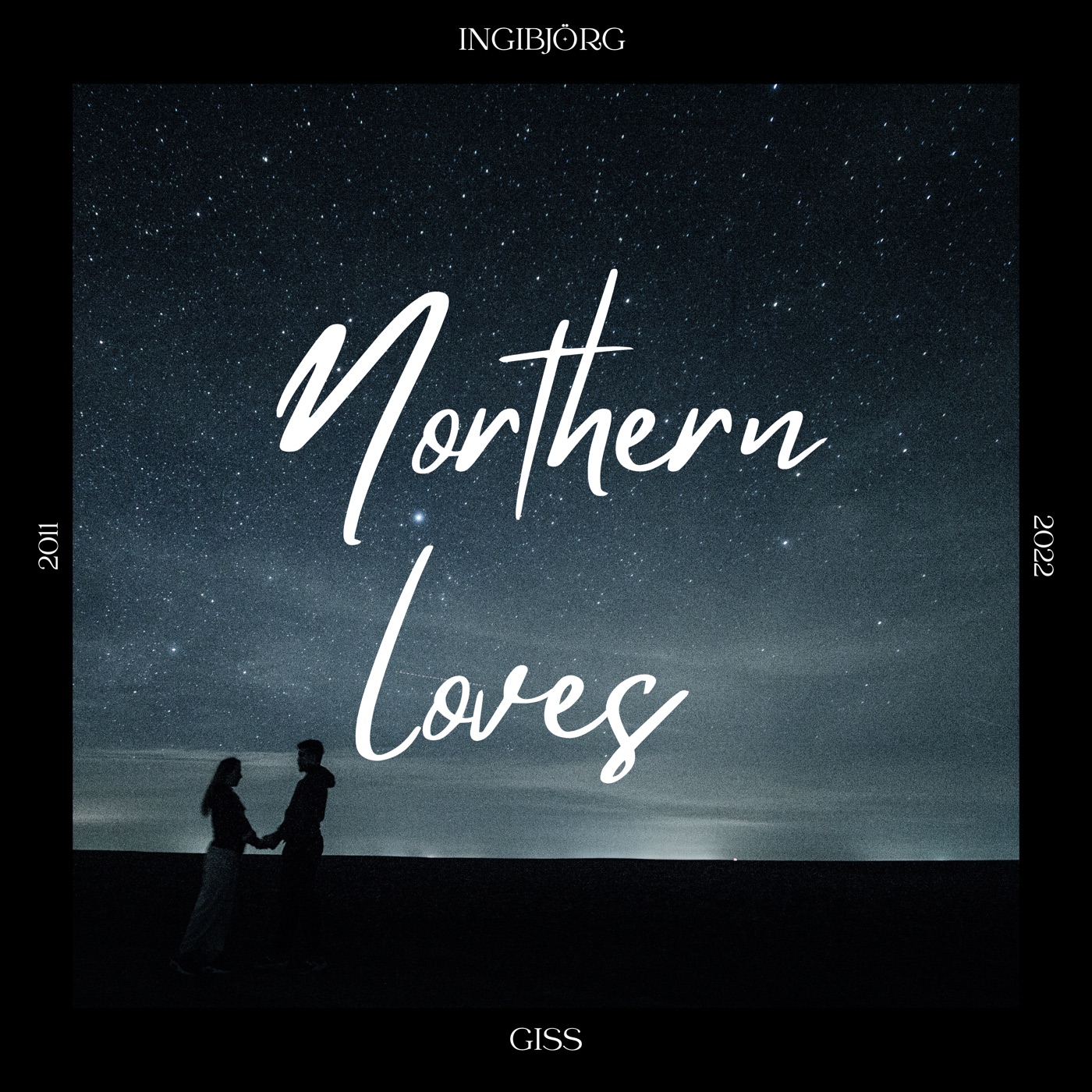
The records — “Dreamscape”, “Icelandic Summer”, “Keflavik Nights”, “Northern Loves”, “Paper Billionaire” and more — are less albums than seasons: each one a long, held breath.
On the sound
The electric piano carries everything here; there's nowhere for it to hide.
FAQ
What should I put this on for?
It's made for Iceland and quiet attention — reading, working late, the last hour of a day. Play it low; it was made low.
Can I use a track in a video / podcast / game?
Get in touch through the label with the details. Small and independent projects are welcome to ask.
Do you take commissions?
Occasionally, for the right project. Enquiries via the label.
Why is it all so… slow?
Because nordic ambient isn't trying to win the room. It's ice, mostly — made to sit underneath a moment rather than interrupt it.
Where was this recorded?
In small rooms, close-mic'd. The room is part of the sound; that's deliberate.